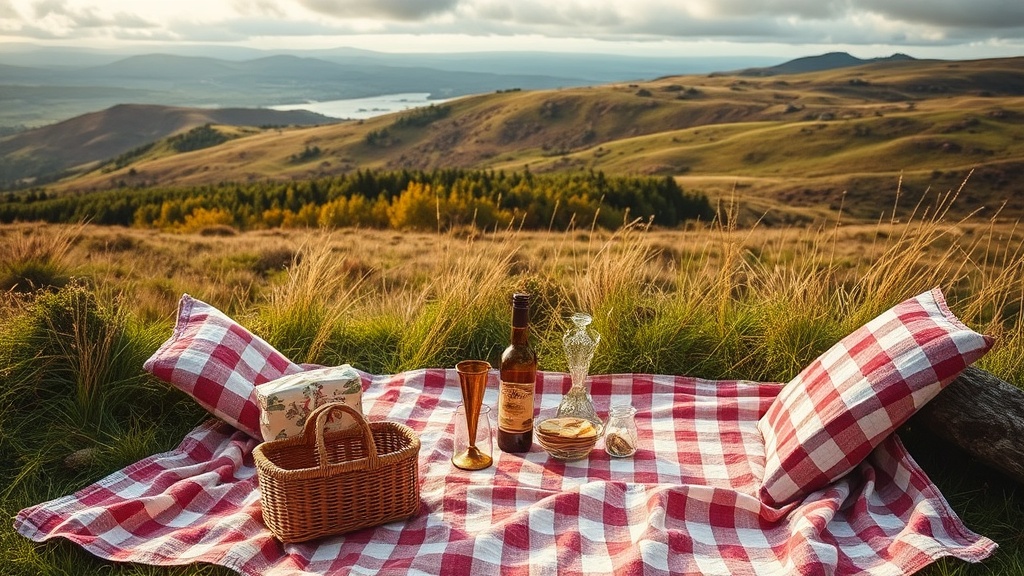
Finding Quiet Corners in the North for a Perfect Picnic

Are you looking for a way to escape the noise of town and find a bit of solitude for a meal outdoors? This post identifies the best locations across the Northwest Territories for a quiet picnic, the gear you'll need to handle the unpredictable northern weather, and the etiquette required to respect the land. Finding a spot that isn't overrun by tourists or construction crews requires a bit of local knowledge.
The NWT isn't your typical place for a casual outdoor lunch. You can't just grab a sandwich and sit on a park bench without thinking about the wind, the bugs, or the temperature. It's a different way of living. You need a plan.
Where Can I Find Quiet Picnic Spots in the NWT?
The best quiet picnic spots in the Northwest Territories are usually found along secondary highways or tucked away near small community lakes rather than in the main hubs of Yellowknife or Hay River. If you want peace, you have to head away from the high-traffic areas. Most people congregate near the mained-in parks, but the real gems are the unmarked pull-offs and smaller community-managed sites.
For example, if you're near Yellowknife, don't bother trying to find a quiet spot at the major lookout points. Instead, look for the smaller-scale access points near the outskirts of town. Many locals prefer the small, unnamed shorelines along the Great Slave Lake perimeter. These spots offer a sense of isolation that you won't find in a crowded public park. It’s much more rewarding to eat a meal while watching the water ripple in total silence than to listen to a dozen cars passing by on the highway.
If you're looking for something a bit more structured but still relatively calm, check the official NWT Parks and Recreation sites. While they'll be more populated, they are well-maintained and offer the infrastructure you might need if you're traveling with a family. However, if your goal is pure solitude, a simple pull-off on a back road is often your best bet.
Pro-tip: Always check the wind direction before you pick a spot. A "quiet" spot can become a nightmare if a 40 km/h wind hits your sandwich. A little bit of natural topography—like a small rise in the land or a cluster of trees—makes a massive difference.
Top Three Picnic Locations by Vibe
- The Solitude Seeker: Unmarked shorelines near smaller lakes (requires a high-clearance vehicle).
- The Family Outing: Established community parks with picnic tables (safer for kids and easier for setup).
- The Scenic Viewpoint: High-elevation ridges near the highway (best for views, but much windier).
What Gear Should I Bring for a Northern Picnic?
You should bring high-quality insulation, windproof containers, and a reliable way to keep your food protected from both the elements and local wildlife. In the North, "outdoor dining" is as much about survival and comfort as it is about the food. You aren't just bringing a napkin; you're bringing a kit.
First, let's talk about the temperature. Even in the summer, the shade can feel incredibly chilly. I never head out without a heavy-duty fleece or a light down jacket, even if it's 20°C in the sun. A Patagonia Nano Puff or a similar lightweight insulated jacket is a staple for a reason—it packs small but keeps the chill off when the sun dips or a cloud passes.
Then there is the wind. A flimsy paper plate is a recipe for disaster here. Use hard-sided containers or heavy-duty reusable silicone bags. If you're bringing something hot, a high-quality thermos is non-negotiable. There's nothing quite like a hot tea or coffee to keep your spirits up if the wind picks up unexpectedly.
The list below covers the essentials I keep in my vehicle for these types of outings:
- Insulated Food Containers: Keeps your meal warm and prevents heat loss.
- Windproof Lighter/Matches: If you're planning on using a small portable stove.
- Heavy-Duty Napkins/Wipes: Because the wind will blow a single paper napkin into the next territory.
- Bug Repellent: Essential if you're near water or in the bush.
- Collapsible Chair: Sitting on the ground is rarely comfortable due to the uneven terrain or dampness.
If you're feeling particularly hungry or looking for something sweet after your meal, you might want to check out the best places to sip warm cocoa for inspiration. It's a good way to see how locals handle warmth and comfort in our climate.
How Do I Avoid Wildlife During My Meal?
To avoid wildlife, you must store all food in airtight containers, keep a clean perimeter around your seating area, and never leave scraps behind. In the Northwest Territories, you aren't just sharing the space with birds; you're sharing it with much larger neighbors. Being "scary" to a bear or a fox isn't the goal—being "uninteresting" is.
The biggest mistake people make is leaving food out on a table or a flat rock. Even if you're only stepping away for a minute to grab a drink from the car, that's enough time for a scavenger to find your lunch. I always keep my cooler closed and latched. If you're using a soft-sided cooler, make sure it's heavy-duty.
A note on the "Small Stuff": It’s not just bears. The mosquitoes and biting flies in the NWT are relentless. If you're sitting still to eat, you are a stationary target. I highly recommend bringing a portable, battery-operated fan if you're eating in a particularly buggy area. It sounds silly, but the constant airflow keeps the pests at bay much better than just waving your hands around.
| Wildlife Type | Behavior Near Humans | Prevention Strategy |
|---|---|---|
| Birds/Gulls | Opportunistic and loud | Cover food with a lid or heavy cloth. |
| Foxes/Small Mammals | Sneaky and fast | Pick up every single crumb immediately. |
| Bears | Curious and powerful | Store food in a vehicle or hard container. |
It's worth noting that being aware of your surroundings is part of the fun. Part of the NWT experience is being part of the ecosystem, not just an observer. When you respect the animals by not leaving a "scent trail," you're actually making the experience better for everyone.
If you've already mastered the art of outdoor dining and want to move on to more advanced northern activities, you might find interest in finding the best wild berry patches. It's a great way to supplement your picnic with something fresh from the land.
The most important thing is to leave the spot exactly as you found it. We don't have a lot of these pristine, quiet corners. If everyone leaves their trash, the "secret" spots won't stay secret for long. Pack out everything—even the tiny bits of organic matter like apple cores. The goal is to leave no trace of your visit.
The weather can change in a heartbeat. One minute you're enjoying the sun, and the next, a thick fog or a sudden downpour has rolled in. Always have a "Plan B" location in mind—perhaps a nearby sheltered area or a vehicle-accessible spot—so you aren't caught out in the open when the conditions shift. A successful picnic in the North is all about being prepared for the unexpected.