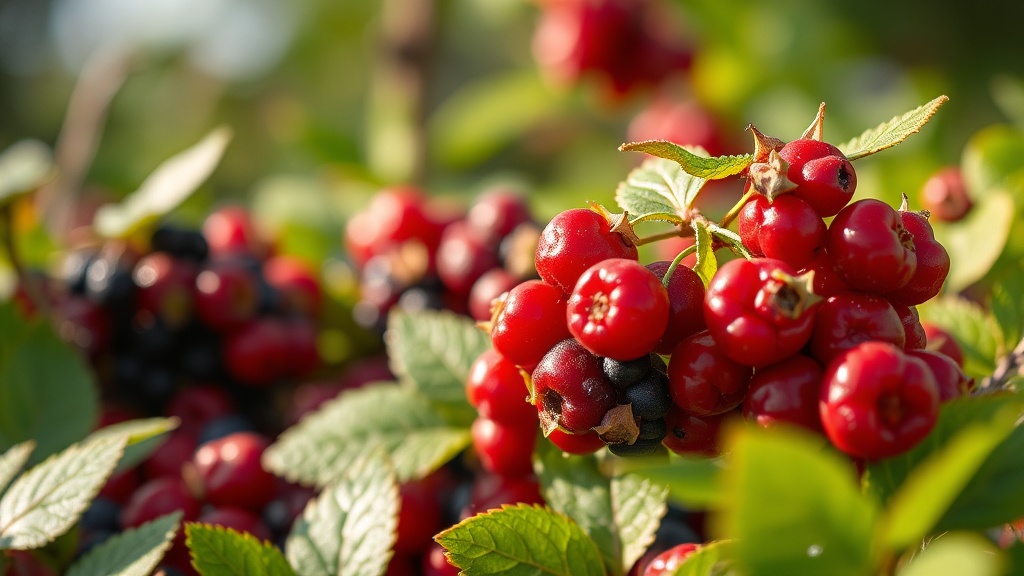
Finding the Best Wild Berry Patches in the North

A hiker in the Mackenzie Valley once spent four hours tracking a specific patch of blueberries, only to find the birds had picked it clean by midday. This isn't a matter of bad luck; it's a matter of timing and local knowledge. This guide breaks down how to identify, locate, and harvest wild berries in the Northwest Territories without wasting your limited summer daylight.
The NWT summer is short, and the berry season is even shorter. If you don't know where to look or how to spot the signs, you'll spend more time searching than actually picking. We're looking at the big three: blueberries, cranberries, and the highly sought-after cloudberry. Knowing the difference between a patch that's ready and one that's just green is the difference between a full bucket and an empty one.
Where Can You Find Wild Berries in the NWT?
Most wild berries in the Northwest Territories grow in well-drained acidic soils, often near peatlands, river valleys, or forest edges. You aren't going to find these in a tidy field; you'll find them in the brush, often tucked under the shade of dwarf birch or willow. If you're near a bog or a transition zone between a forest and a wetland, your chances of finding high-quality fruit increase significantly.
Blueberries tend to favor slightly higher ground or well-drained slopes. If you're hiking near the Great Slave Lake area, look for the transitions where the heavy brush meets the more open, sandy areas. Cloudberries (also known as cloudberries or amber berries) are much more specific—they love the damp, marshy areas near lakes and peatlands. You won't find them on a dry ridge.
It's worth noting that the best spots are often the ones that aren't easily accessible by vehicle. If a spot is easy to reach, the local community has probably already picked it. To find the "gold mines," you'll need to head slightly off the beaten path, but always stay within a reasonable distance of a known trail or landmark. Safety first, obviously.
Here is a quick breakdown of common berry habitats:
- Blueberries: Slopes, well-drained forest edges, and sandy soil patches.
- Cranberries: Low-lying, boggy areas and saturated peatlands.
- Cloudberries: Marsh edges, damp tundra, and near slow-moving water.
- Saskatoon Berries: Open woodlands and more established shrubbery.
How Do You Know When Berries Are Ready to Pick?
The most reliable way to tell if berries are ready is by checking the color and the firmness of the fruit. For blueberries, you're looking for a deep, matte blue color—not a bright, shiny one. If the berry is still a reddish-purple, it's too tart and hasn't developed its full sugar content yet. A ripe blueberry should yield slightly to gentle pressure but shouldn't be mushy.
Cloudberries are a bit trickier. They start out bright red and turn a deep, translucent amber or orange when they are truly ripe. If they are still red, they are far too acidic for most palates. This is the part where people often get impatient. I've seen plenty of people pick too early and end up with a bucket of sour fruit that's basically inedible. Wait for that amber glow.
The weather plays a huge role here. A particularly dry or hot spell can cause berries to shrivel or drop off the bush before they reach peak ripeness. If you see a lot of "mummy" berries (dried-out, shriveled fruit) on the ground, the season might be winding down. Conversely, a heavy rain can sometimes trigger a massive ripening event across a whole region.
"The best berries aren't the biggest; they're the ones that have reached that perfect balance of sweetness and acidity through a slow ripening process."
If you're planning a big harvest, bring a reliable pair of shears or even just a sturdy spoon to help pop the berries off the stem without damaging the plant. You don't want to be pulling at the branches and causing permanent damage to the bush. A little respect for the plant goes a long way for next year's harvest.
What Tools and Gear Do You Need for Berry Picking?
You don't need much, but having the right gear makes the difference between a sore back and a successful afternoon. A lightweight, breathable approach is best because the NWT sun can be intense, even if the air is cool.
| Item | Purpose | Recommendation |
|---|---|---|
| Container | Holding the harvest | Mesh bags or lightweight plastic buckets |
| Footwear | Navigating uneven terrain | Sturdy hiking boots (like Salomon hiking shoes) |
| Protection | Bug prevention | High-DEET repellent or a bug net |
| Clothing | Sun and scratch protection | Long sleeves and durable trousers |
The container choice is actually quite important. If you use a solid plastic bucket, the berries at the bottom can get crushed by the weight of the ones on top. A mesh bag or a basket allows for better airflow, which keeps the berries cooler and prevents them from overheating while you're walking back to your camp or vehicle. This is especially true if you're out in the sun for a few hours.
Also, don't underestimate the bugs. In the North, the mosquitoes and black flies are often more aggressive than the actual berries are delicious. If you're going to be bending over low to the ground for hours, you are basically a buffet for every insect in the area. A head net is a cheap investment that will save your sanity.
For more information on the specific types of flora found in our region, you can check out the Government of Canada's environmental resources or research local botanical studies through the Northwest Territories scientific archives.
One thing to watch out for is the terrain. You'll be looking down a lot. This makes ankle rolls incredibly common. I always suggest wearing something with high ankle support—don't try to go berry picking in flip-flops or light sneakers. It's easy to lose your footing on a mossy rock or a hidden root.
When you're done, make sure you're not leaving a mess. If you're using any sort of disposable packaging or if you've brought extra supplies, pack it out. The tundra is fragile, and we need to keep these habitats healthy for the next season. It's pretty simple stuff, but it's easy to forget when you're focused on the prize.
If you're out in the bush, always keep an eye on the time. The light fades fast in the North, and even in the height of summer, you don't want to be caught in a dense thicket after the sun goes down. A headlamp is a mandatory part of your kit, even if you think you'll be back by 8:00 PM.