What People Get Wrong About Visiting the Northwest Territories (A Local Perspective)

This Isn’t a Typical Destination — And That’s the Point
People arrive in the Northwest Territories expecting a polished travel experience. That’s usually the first mistake.
Life here is built around distance, weather, and practicality. Visitors who adjust to that quickly tend to have a much better experience than those trying to force a southern Canada mindset onto a northern place.
This guide isn’t about selling you the territory. It’s about helping you understand it so you don’t waste your time when you get here.
Timing Matters More Than You Think
Locals don’t talk about seasons casually — they plan around them.
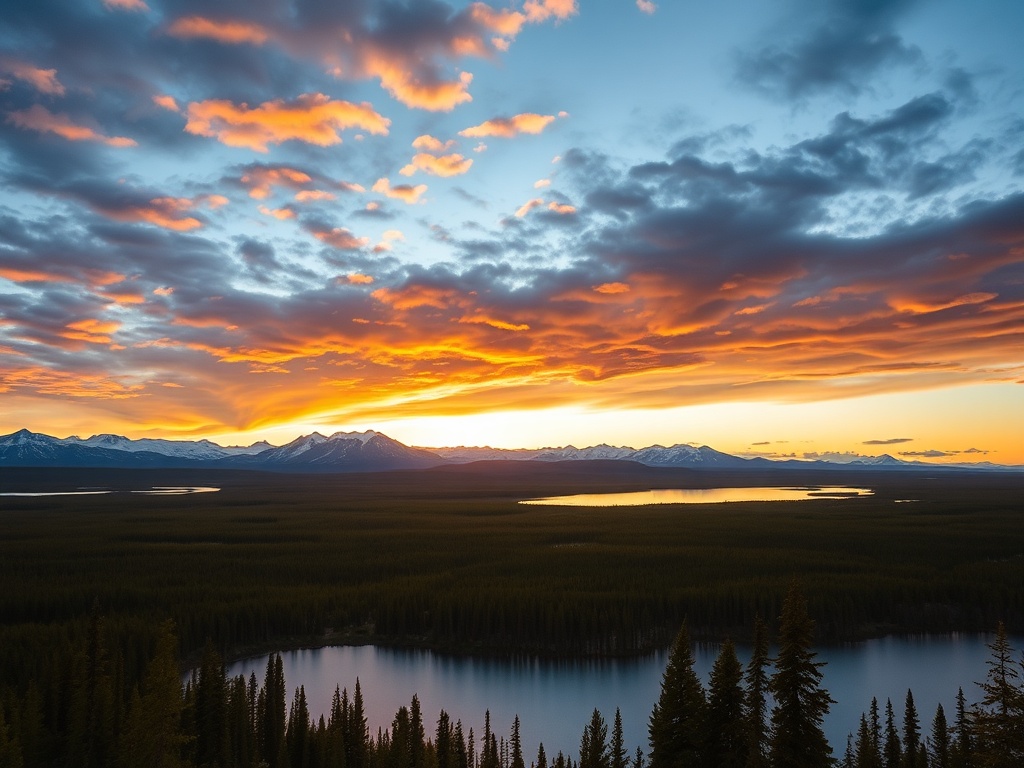
Summer means access: open water, easier driving, and long days that stretch late into the night. Fall is short but sharp, with colour and early aurora activity. Winter defines the territory, with extreme cold but some of the clearest skies you’ll ever see. Spring is transitional and practical, often overlooked but easier for movement.
When you visit should match what you’re actually willing to deal with — not just what looks good in photos.
Where You Stay Shapes Everything
Distances here are not casual. You don’t bounce between places.
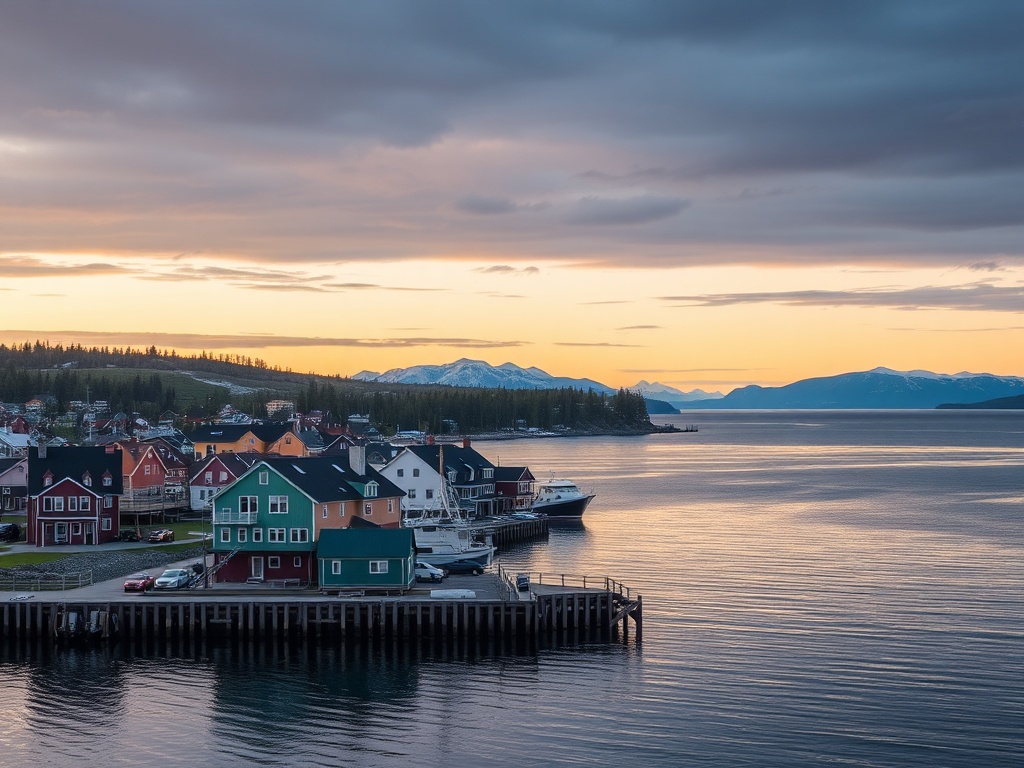
Yellowknife functions as the main hub because it’s where services exist. It’s where most visitors start, and for good reason. Inuvik offers a more remote experience, but getting there requires commitment. Hay River is quieter and more practical if you’re staying in the southern part of the territory.
Pick a base and build around it. Trying to do too much across the map usually backfires.
What Actually Matters When You’re Here
Visitors often focus on checklists. Locals focus on conditions.
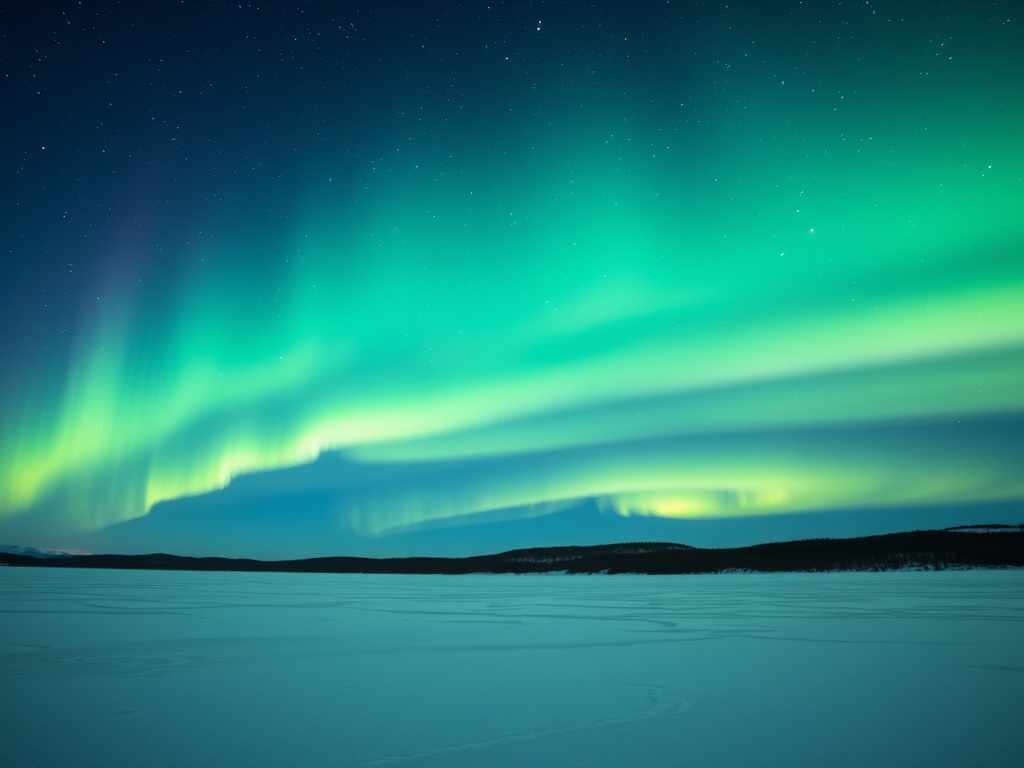
The Northern Lights aren’t a quick stop — you wait, you watch, and you give it time. Being on the land or water isn’t about ticking off activities; it’s about staying out long enough to feel the environment shift around you.
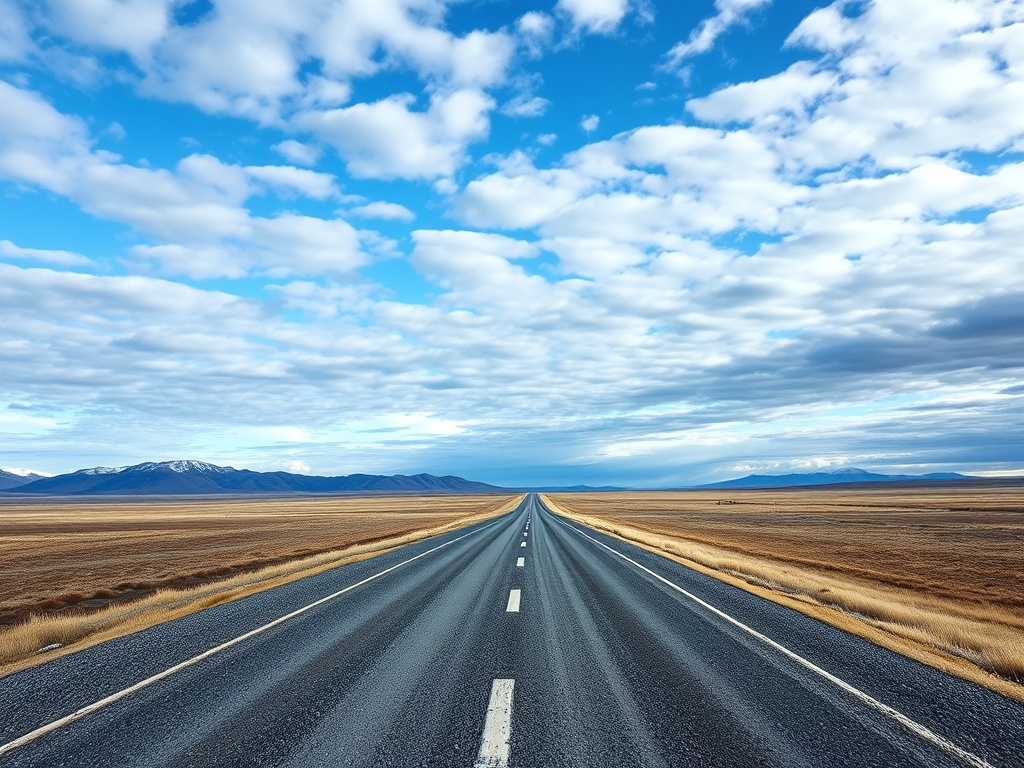
Driving through the territory can be one of the most memorable parts of a visit, not because of attractions, but because of the scale and isolation.
And conversations matter. Talk to people. You’ll get insight that doesn’t exist online.
Getting Around: Plan Like a Local Would
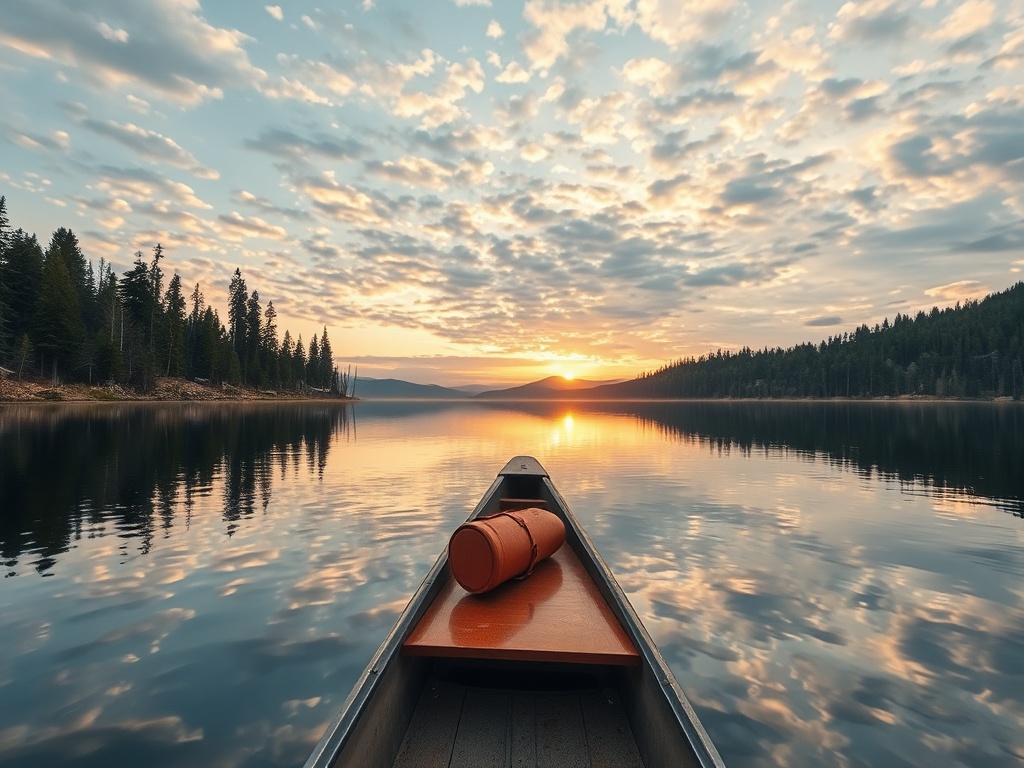
You’re not relying on transit here. If you want flexibility, you’ll need a vehicle.
Fuel stops are not optional planning — they’re essential. Flights between communities are common but expensive. In winter, ice roads open up routes that don’t exist in summer.
The territory doesn’t adapt to you. You adapt to it.
Food and Supplies Aren’t an Afterthought
Costs are higher. Availability varies. That’s normal here.
Yellowknife offers the most options, but once you leave, planning ahead becomes important. If you’re heading out, bring what you need.
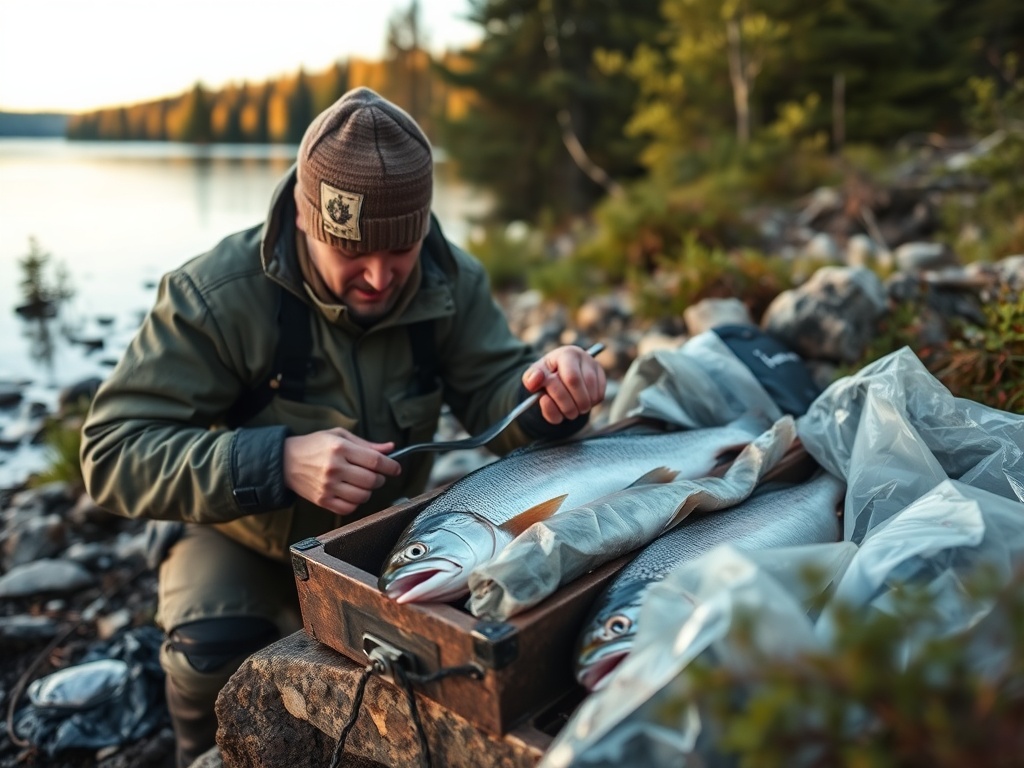
Local fish is a highlight — simple, fresh, and reliable.
Common Mistakes Visitors Make
- Underestimating distances
- Assuming consistent hours or services
- Ignoring rapid weather changes
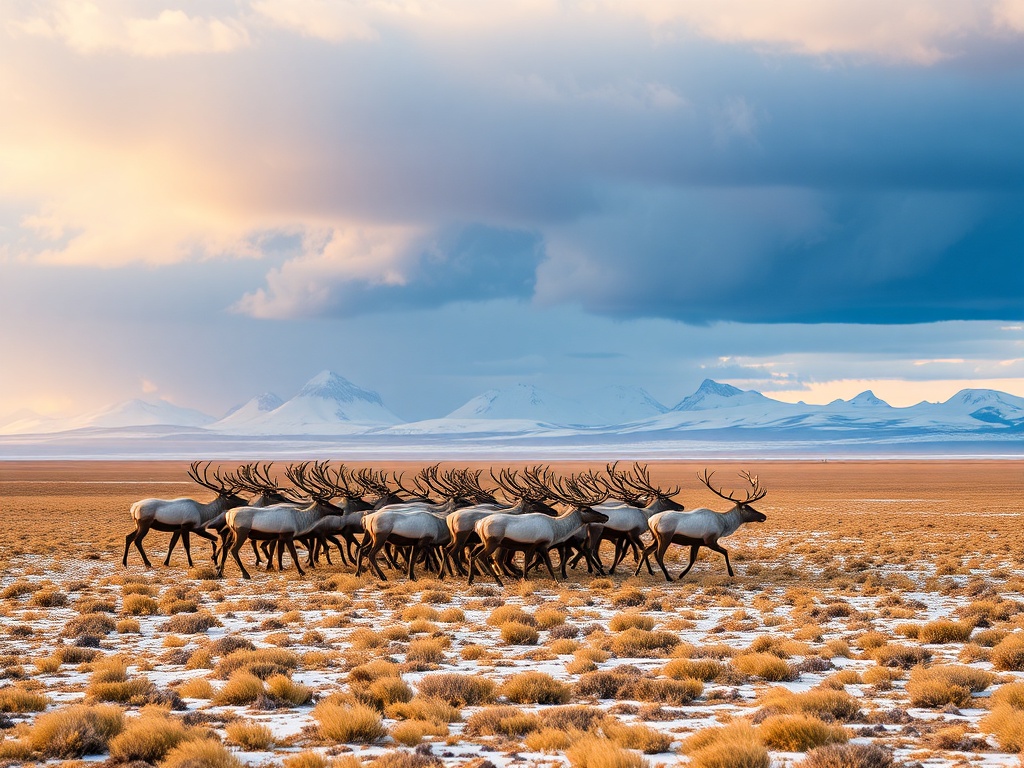
- Treating wildlife too casually
None of these are dramatic mistakes — until they are.
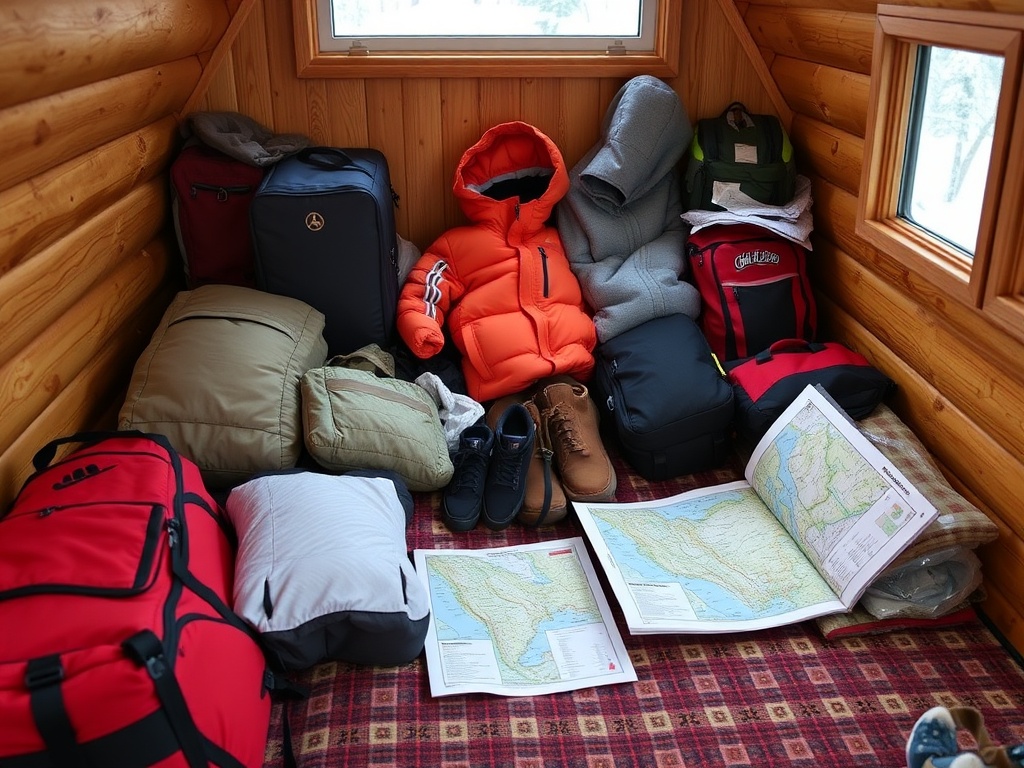
Preparation Isn’t Optional Here
If you’re heading beyond town limits, preparation is standard practice.
- Layer your clothing
- Download offline maps
- Carry backup power
- Plan fuel stops
- Let someone know your route
This isn’t about being overly cautious — it’s how people operate here every day.
So, Is It Worth Coming?
That depends on what you’re looking for.
If you want something easy, there are better options. If you want something honest, quiet, and shaped by the land rather than convenience, the Northwest Territories delivers exactly that.
Just don’t expect it to meet you halfway.