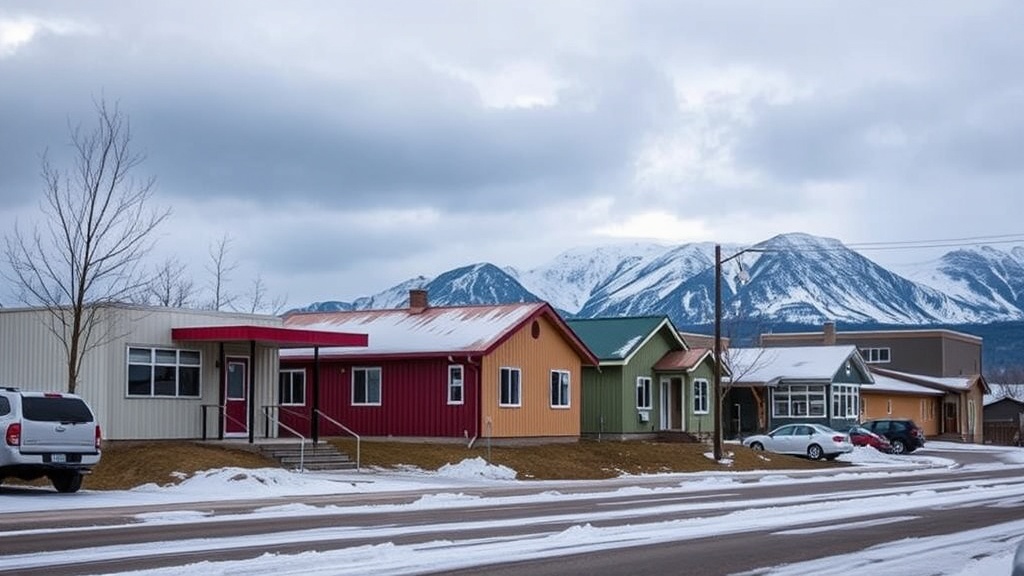
Northwest Territories Community Services Guide for Residents

This guide covers the community services available to residents throughout Northwest Territories — from healthcare access and education resources to municipal programs and emergency services. Whether you're new to the area or have lived here for decades, knowing what's available (and how to access it) saves time, reduces stress, and helps you make the most of what our community offers.
What Healthcare Services Are Available to Northwest Territories Residents?
Residents of Northwest Territories have access to a range of healthcare options through the Northwest Territories Health and Social Services Authority. The territory operates several health centres and hospitals that provide primary care, emergency services, and specialized treatments.
Stanton Territorial Hospital in Yellowknife serves as the main referral hospital for the entire territory. It's where you'll find surgical services, maternity care, and diagnostic imaging. For residents in smaller communities, local health centres handle routine care and stabilize patients before transfer when needed.
The catch? Not every community has the same level of access. Here's what residents should know:
- Telehealth services connect remote communities with specialists in Yellowknife — appointments happen via video call at your local health centre
- Medical travel coverage helps with costs when you need care unavailable in your home community
- Community health representatives work in many smaller centres, bridging gaps between Western medicine and traditional wellness approaches
The Northwest Territories Health and Social Services Authority website provides detailed information on eligibility and enrollment. You'll need your health card for most services — replacements are handled through local health centres.
Worth noting: Mental health support has expanded significantly. The territory now offers 24/7 phone counselling through the NWT Help Line, and many communities have on-the-land healing programs that combine counselling with cultural activities.
How Do Families Access Education and Childcare in Northwest Territories?
Education in Northwest Territories falls under the Department of Education, Culture and Employment, which oversees both public schools and early childhood programs. The territory operates 49 schools across eight regional districts — from large urban facilities in Yellowknife to small school bodies in remote communities.
Here's the thing about schooling here: it's not one-size-fits-all. The territory recognizes the importance of Indigenous language and culture in education. Many schools offer programs in Tłı̨chǫ, Dene, Inuktitut, and Métis heritage — alongside the standard curriculum.
For families with younger children, several options exist:
| Program Type | Age Range | Key Features | Cost |
|---|---|---|---|
| Licensed daycare centres | 0-5 years | Full-day care, structured learning activities | Subsidized based on income |
| Family day homes | 0-12 years | Home-based, smaller groups, flexible hours | Generally lower than centres |
| Head Start programs | 3-5 years | Indigenous-focused, school readiness | Free |
| After-school programs | 5-12 years | Supervised activities, homework help | Low-cost or free |
The Department of Education, Culture and Employment maintains a searchable database of licensed childcare providers. Waitlists can be long in Yellowknife — apply early, especially for infant spots.
For older students, Aurora College offers post-secondary programs with campuses in Yellowknife, Inuvik, and Fort Smith. The college provides everything from trades training to social work diplomas, with many programs designed specifically for Northern contexts.
What Municipal and Community Programs Can Residents Use?
Northwest Territories communities offer various municipal services and recreational programs through local governments and community corporations. These range from winter road maintenance to summer recreation programming — and they vary significantly by community size.
Yellowknife operates the most extensive municipal services in the territory. The City of Yellowknife manages the Fieldhouse (a multipurpose recreation facility), Ruth Inch Memorial Pool, and multiple community centres. Residents can access fitness classes, sports leagues, and cultural events through the city's recreation division.
That said, smaller communities aren't left out. Community governments throughout Northwest Territories run programs tailored to local needs. In Inuvik, the Midnight Sun Complex houses a pool, arena, and fitness facilities. Hay River's Don Stewart Recreation Centre offers similar amenities for South Slave residents.
Key municipal services residents should know about:
- Waste management — Most communities operate landfills and recycling programs; Yellowknife has curbside pickup, while smaller centres use drop-off depots
- Water and sewer — Municipal systems serve larger communities; trucked water and sewage haulage operate in many smaller settlements
- Emergency services — Fire departments operate in Yellowknife, Inuvik, Hay River, and Fort Smith; volunteer departments cover other communities
- Bylaw enforcement — Noise complaints, animal control, and parking issues fall under municipal jurisdiction
The Department of Municipal and Community Affairs provides funding and support for community governments across the territory. Their website lists contact information for all 33 community governments — handy when you need to reach local officials.
Social Assistance and Income Support Programs
Residents facing financial hardship can access several support programs through the Department of Education, Culture and Employment. Income Assistance provides monthly benefits for basic needs — shelter, food, and utilities — when employment isn't possible or available.
The application process requires documentation of income, assets, and living expenses. Caseworkers are assigned to help residents develop employment plans where appropriate. That said, the program has strict eligibility requirements and work expectations for those who are able.
Other financial supports available to Northwest Territories residents include:
- Northern Living Supplement — Additional monthly amount for Income Assistance recipients in recognized northern communities
- Child benefit — Territorial program supplementing federal benefits for families with children
- Senior citizen supplementary benefit — Monthly payment for low-income seniors
- Disability supports — Funding for equipment, home modifications, and personal care services
Where Can Residents Access Legal Aid and Advocacy Services?
Legal problems — whether housing disputes, family matters, or criminal charges — require professional help. Northwest Territories residents have access to Legal Aid through the territory's Legal Services Board, though eligibility depends on income and case type.
The Legal Aid clinic in Yellowknife handles criminal defence, family law, and some civil matters. Staff lawyers represent clients in court, while duty counsel provides same-day assistance for urgent matters. Remote communities receive services through circuit court visits and telephone consultations.
Here's the thing: Legal Aid doesn't cover everything. Civil disputes between private parties, corporate matters, and some family issues (like uncontested divorces) typically aren't covered. For these, private lawyers are available — though the limited number of practitioners in the territory can mean higher costs and longer waits.
Advocacy services fill some gaps. The Northwest Territories Human Rights Commission investigates discrimination complaints. The Status of Women Council offers support for women dealing with violence or family breakdown. For youth, the Office of the Child and Youth Advocate provides independent representation.
Housing and Shelter Services
Affordable housing remains a challenge across Northwest Territories — particularly in Yellowknife where market rents rank among Canada's highest. The Northwest Territories Housing Corporation manages public housing units in all 33 communities, with rent geared to income.
The waitlist for public housing is lengthy in larger centres. Priority goes to families with children, seniors, and people with disabilities. Emergency shelter beds exist in Yellowknife (at the Yellowknife Women's Society's Centre for Northern Families and the Salvation Army shelter), but options are limited or non-existent in smaller communities.
Home ownership programs — including the Downpayment Assistance Program and the Home Repair Program — help residents purchase and maintain homes. These programs have specific eligibility criteria related to income, residency, and property standards.
How Do Residents Stay Connected During Emergencies?
Emergency preparedness looks different in Northwest Territories than in southern Canada. Severe weather, wildfires, and infrastructure failures can isolate communities for days. The territory's Emergency Management Organization coordinates response efforts and maintains communication systems.
Every community has an emergency plan — though implementation depends on local resources. Yellowknife residents should sign up for the city's emergency notification system. In smaller communities, the local SAO (Senior Administrative Officer) coordinates emergency response.
Practical preparedness steps for Northwest Territories households:
- Maintain 72 hours of food, water, and medication — longer if you live in a fly-in community
- Keep battery-powered radios for when internet and cell service fail (they will, eventually)
- Know your community's evacuation routes and shelter locations
- Have physical copies of important documents — don't rely solely on digital storage
The territory operates the 811 health line for non-emergency medical questions, and 911 service is available in Yellowknife, Inuvik, Hay River, and Fort Smith. Elsewhere, you'll need local emergency numbers — program them into your phone before you need them.
Community services in Northwest Territories reflect both the challenges and strengths of Northern living. Programs exist to help residents through difficulties, but accessing them often requires persistence, paperwork, and personal advocacy. The resources are there — this guide is your starting point for finding them.