Managing Winter Infrastructure and Municipal Services in the Northwest Territories

When the temperature drops below -30°C in the Northwest Territories, the way our community functions changes almost instantly. It isn't just about putting on a heavier coat; it is about how our local governments and municipal services handle the heavy lifting of keeping our streets clear and our homes heated. We see the snowplows out on 50th Avenue or near the Old Town area in Yellowknife, working through the night to ensure emergency vehicles can pass. Understanding how these systems work is a big part of living in the Northwest Territories, especially when a sudden cold snap hits and the pressure on our infrastructure peaks.
How do Northwest Territories municipalities handle snow removal?
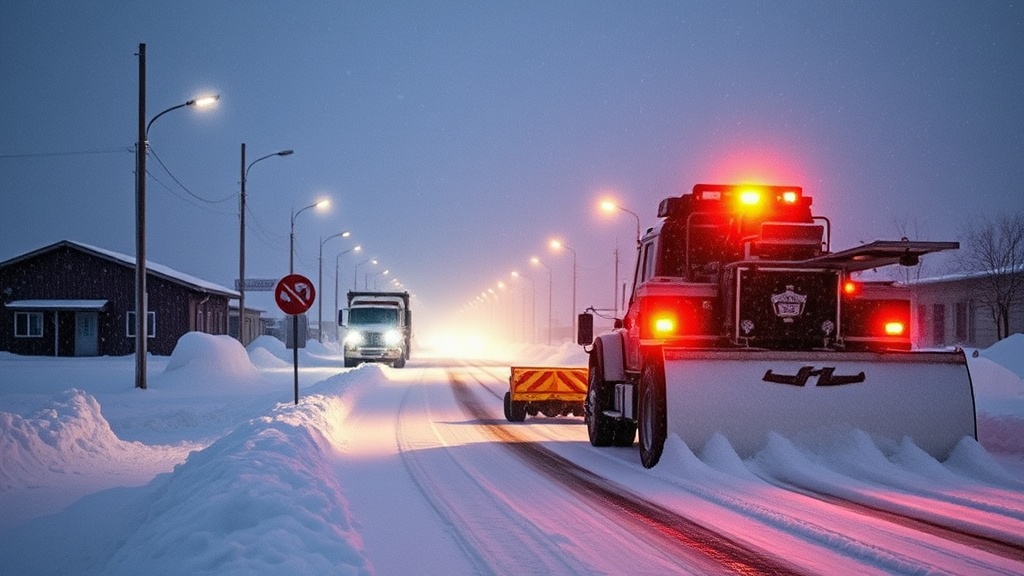
Snow removal in the Northwest Territories is a massive undertaking that involves much more than just driving a truck with a blade. Our local municipalities have to plan months in advance, securing the heavy machinery and the specialized salt or sand supplies needed to keep the roads safe. In Yellowknife, for instance, the city's public works department works tirelessly to manage the drift accumulation that happens near buildings. We often see the crews working in the early hours of the morning—sometimes as early as 4:00 AM—to clear the main arteries before the morning commute begins. This is a vital service for anyone living in the Northwest Territories, as a single blocked road can isolate an entire neighborhood during a heavy storm.
It is important to remember that snow removal isn't just about the streets; it's about the sidewalks and the accessibility of our community spaces. When the wind picks up, the snow doesn't just sit; it moves. This means the work in the Northwest Territories is never truly finished during the winter months. Local municipal services have to balance the priority of major roads with the need to keep walkways clear for pedestrians near schools and local businesses. We rely on these teams to keep our daily lives moving, even when the weather is at its worst.
What can we do about water and heating reliability?
Maintaining consistent water pressure and heat in the Northwest Territories requires a high level of vigilance. Most of our residential areas rely on complex systems that are sensitive to extreme freezing. If you live in an older part of a community, you might notice that the municipal water lines are more susceptible to the freeze-thaw cycles we experience every year. We've all had those moments where we're worried about a pipe freezing, and that's why understanding the local utility protocols is so important. The Northwest Territories government and local municipal offices often provide updates on any planned outages or maintenance that could affect your home's ability to stay warm or have running water.
One thing we can do as a community is stay informed about local infrastructure projects. Sometimes, the city might need to perform repairs on a water main or a heating system, and knowing the schedule helps us prepare. You can often find these updates through official municipal channels or by checking the Government of the Northwest Territories website. Staying ahead of these changes ensures that our homes remain safe havens during the coldest months of the year.
Where can I find updates on local road conditions?
If you are driving between communities or just navigating the streets within Yellowknife or Hay River, knowing the road status is a matter of safety. In the Northwest Territories, road conditions can change in a matter of minutes. A clear road can become a sheet of black ice or a deep snowdrift almost instantly. We always recommend checking the most recent reports before heading out, especially if you are traveling on secondary highways. The Department of Transportation provides essential information regarding road closures and maintenance schedules that are vital for our community.
We often talk about the importance of local knowledge, and that includes knowing which routes are the most reliable during a storm. For example, during a heavy blizzard, the routes near the airport or major commercial hubs might be prioritized, but that doesn't mean side streets will be safe. We suggest keeping a local radio station tuned in, as that is often the fastest way to get real-time updates on what's happening on our local streets in the Northwest Territories. Being prepared helps us all stay safe and reduces the burden on our emergency services.
Supporting our local infrastructure through community awareness
Being an active member of our community means being aware of the challenges we face. When we see a municipal worker clearing a drain or a city truck salting a patch of ice, it's worth recognizing that this is a coordinated effort to keep the Northwest Territories functional. We should also be mindful of how our own actions affect these services. For example, making sure we aren't blocking snow removal routes or parking in ways that hinder municipal vehicles can make a huge difference in how efficiently the city can do its job.
Whether it is reporting a broken streetlight or a pothole that appeared after the spring melt, our input matters. Local government relies on the eyes and ears of the people who live here. By staying engaged with local news and municipal announcements, we ensure that the Northwest Territories remains a resilient and well-maintained place to call home. It's about more than just surviving the winter; it's about thriving through the cooperation of our local services and our community members.