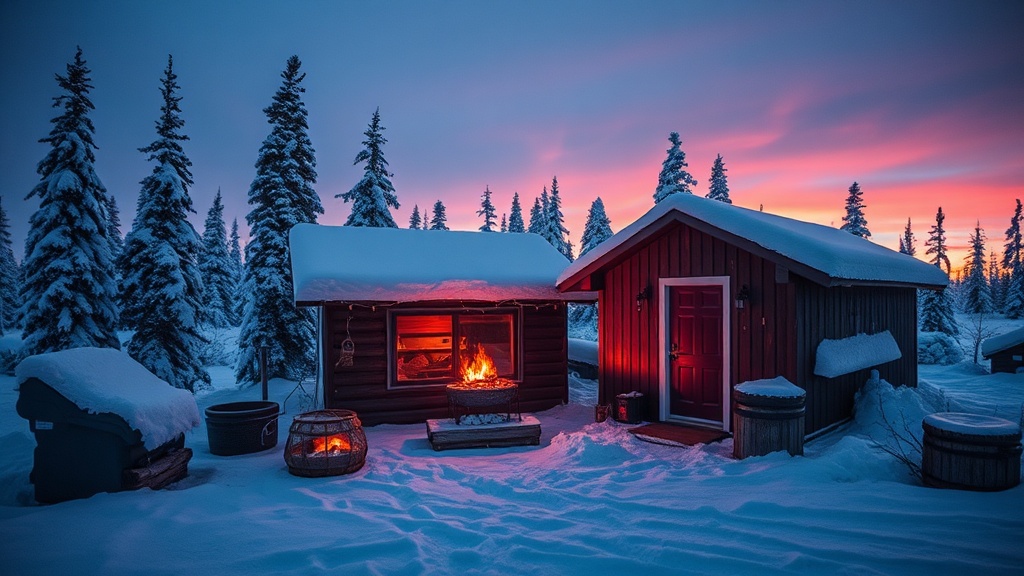
How to Manage Your Home Heating During Northwest Territories Winters

People often think that keeping a house warm in the Northwest Territories is just about turning up the thermostat. It's a common mistake. While a higher setting helps, it doesn't address the way heat actually escapes our homes during those brutal sub-zero stretches in Yellowknife or Hay River. If you don't manage your home's heat-retention strategies, you'll find yourself constantly fighting a losing battle against the cold, regardless of how much fuel you burn.
Living in the Northwest Territories means we have to be smarter about our indoor environments. It isn't just about heat; it's about managing air pressure, insulation, and the specific ways our local architecture interacts with the extreme temperature swings we see every year. This guide covers the practical steps we take as residents to keep our living spaces habitable and our heating costs from spiraling out of control.
Where does most heat escape in Northwest Territories homes?
Most of the heat loss in our Northwest Territories homes happens through air leaks and inadequate insulation. We see it all the time—families noticing a sudden chill near a window frame or a door that doesn't quite seal right. In the north, even a tiny gap can act like a vacuum, pulling the warmth right out of your living room. You need to look at the "envelope" of your house. This includes the attic, the basement walls, and every single window casing.
One of the first things to check is your attic insulation. If you live in an older neighborhood in Yellowknife, your attic might not have the depth required for our specific climate. If the heat rises and hits a poorly insulated ceiling, it escapes through the roof almost immediately. We recommend checking the levels against the current building codes for the Northwest Territories. Also, don't forget the basement. Many of our homes sit on concrete foundations that can become incredibly cold, sucking the warmth out of the floorboards above.
The windows are another major culprit. Even if you have double-pane glass, the frames themselves often leak. A simple trick we use is checking for drafts with a lit incense stick or even just a damp hand. If you feel a movement of air, you've found a leak. Using weatherstripping on doors and ensuring window seals are tight can make a massive difference in how much work your furnace actually has to do.
How can I lower my heating bills in the Northwest Territories?
Lowering your costs isn't about living in a cold house; it's about efficiency. One way to do this is by managing your internal airflow. If you have a central furnace, make sure you aren't blocking the vents with heavy rugs or furniture. In many Northwest Territories homes, we rely heavily on baseboard heaters in certain rooms. If you've tucked a sofa right against a baseboard heater, you're essentially heating the back of the sofa instead of the room.
Another tactic is to use heavy curtains. During the day, keep them open to let the little sunlight we get hit the windows, but as soon as the sun goes down, shut them tight. This creates an extra layer of air that acts as a buffer. It's a small habit, but it helps maintain a more stable temperature throughout the night. If you're using a wood stove or a secondary heat source, make sure you're cleaning the glass and checking the airflow regularly so you aren't wasting fuel.
You should also consider the temperature of your water heater. While it seems unrelated, a water heater running at a much higher temperature than necessary is just another way money leaks out of your household. Keep it set to a reasonable level that provides comfort without being excessive. For more information on energy efficiency standards and how they apply to northern climates, you can check out the Natural Resources Canada website for general guidelines.
What maintenance should I do to prevent furnace failure?
In the Northwest Territories, a furnace failure isn't just an inconvenience; it's a safety issue. You cannot afford to wait until the middle of a January cold snap to realize your heating system is struggling. Regular maintenance is the only way to ensure your system stays reliable. This includes changing your furnace filters every few months. A dirty filter makes the motor work harder, uses more electricity, and can eventually lead to a complete breakdown.
If you have a wood-burning stove, which many of us in the Northwest Territories rely on for supplemental heat, you must be diligent about chimney maintenance. Creosote buildup is a real danger in our climate, and a blocked chimney means no heat and a high fire risk. We suggest having a professional inspect your venting systems if you haven't had one done in a couple of seasons. Keeping an eye on the mechanical parts of your home—like the furnace bellows or the thermostat—is part of being a responsible resident in our community.
If you ever feel overwhelmed by the complexity of your heating system, don't hesitate to reach out to local professionals. Whether it's a technician in Yellowknife or a specialist in Inuvik, having a reliable contact is part of living in the north. You might even want to check the Government of the Northwest Territories website for any local advisates on energy subsidies or community programs that might help with heating costs during extreme weather events.
Common Mistakes to Avoid
One mistake we see often is leaving the thermostat too low when leaving the house for a few days. While you want to save energy, if the house gets too cold, it can actually cause pipes to freeze and burst. This is a nightmare scenario for anyone living in the Northwest Territories. Instead, aim for a steady, lower temperature rather than turning the heat off entirely. This keeps the structure of the house and the plumbing at a safe baseline.
Another mistake is ignoring the sounds your house makes. If your heating system is making new or unusual noises—clanking, whistling, or humming—it's a sign that something is wrong. Don't ignore it. In our environment, a small mechanical issue can become a major failure very quickly. Staying proactive with your home maintenance is the best way to ensure your family stays warm and comfortable all season long.