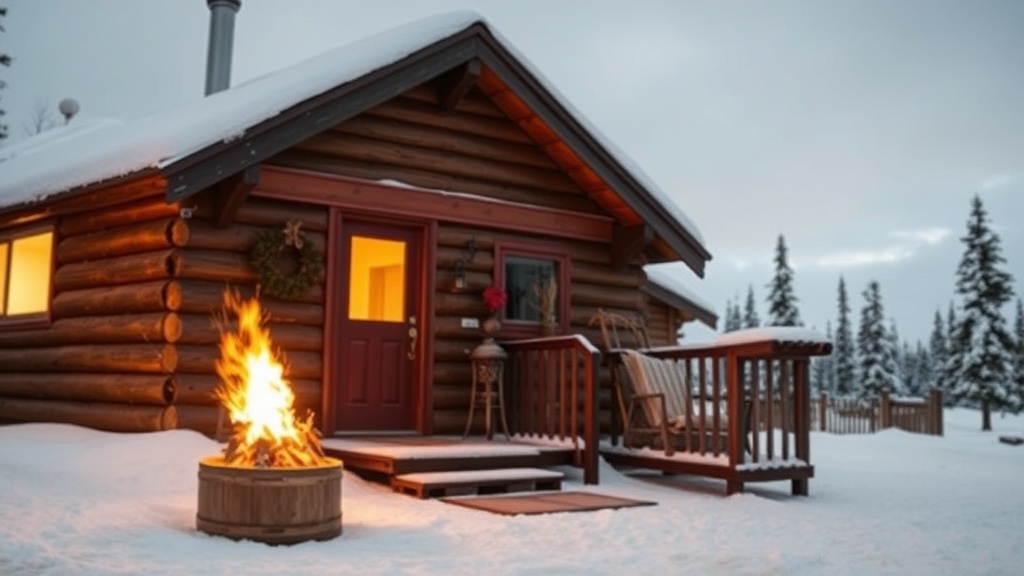
Getting Your Home Ready for the Long Northwest Territories Winter

How do we prepare our homes for the extreme cold in the Northwest Territories?
Are you wondering if your heating system can handle another dip below -40 degrees Celsius? Preparing a household for a Northwest Territories winter isn't just about comfort; it's about ensuring our homes remain safe and functional when the temperature drops. We live in a region where the weather doesn't just get cold—it gets intense. This guide covers the practical steps we all need to take to protect our property and our families during the harshest months in the Northwest Territories.
Living in the Northwest Territories means we have to be proactive. We can't wait for the first blizzard to hit the streets of Yellowknife or Hay River before we check our seals. We need to be ready months in advance. From checking window caulking to ensuring our furnace is running at peak efficiency, every small detail matters when the mercury plungates. If you're living in a residential area like Old Town in Yellowknife, you'll know that the wind off the lake can make a drafty window feel much worse than it actually is.
Where can I find winterization supplies in the Northwest Territories?
One of the biggest challenges we face is the seasonal availability of certain goods. While many big-box stores carry the basics, you'll want to head to local staples like The Northern Store or local hardware shops in Yellowknife to get your heavy-duty weather stripping and insulation supplies early. Don't wait until the first frost hits the Northwest Territories to realize you're out of salt for the driveway or that your furnace filters are clogged. We've seen too many people waiting until a crisis occurs to stock up on the essentials.
When you're shopping for home maintenance items in the Northwest Territories, look for high-grade products designed for sub-arctic climates. Standard hardware often fails us here. You'll want to look for heavy-duty outdoor hoses that won't crack in the cold, and ensure your heat tape for your pipes is rated for the extreme temperatures we deal with every single day in our community. It's worth the extra few dollars to get the right gear the first time.
What are the most common heating issues in Northwest Territories homes?
We often see a few recurring themes when the deep freeze sets in. First, the thermostat settings—it's a common mistake to set the heat too low to save money, but in the Northwest Territories, a sudden power outage or mechanical failure can lead to frozen pipes almost instantly if the house isn't kept at a consistent temperature. We recommend keeping your thermostat at a minimum of 18-20 degrees Celsius.
- Frozen Pipes: This is the biggest fear for many of us. Ensure your exterior faucets are shut off and drained completely.
- Drafty Windows: Even double-paned windows can struggle in the Northwest Territories. Using heavy curtains can help keep the heat in.
- Furnace Maintenance: If you haven't had your furnace serviced by a local technician recently, now is the time. A breakdown in January is a much bigger problem than a breakdown in September.
It's also wise to keep an eye on your smoke and carbon monoxide detectors. Because we rely so heavily on heating systems during the long dark months in the Northwest Territories, these devices are our first line of defense against malfunctions. Check your batteries every autumn—don't wait for the first big storm to find out they're dead.
How can I prevent frozen pipes during a cold snap?
If you're worried about your plumbing, there are several things you can do right now. First, identify where your main water shut-off valve is located. If you're in a newer build in Yellowknife, you might have more modern protections, but in older homes, you need to be much more vigilant. One trick many of us use is to let a tiny, barely perceptible trickle of water run from the faucets during particularly cold nights. This keeps the water moving and prevents ice crystals from forming and expanding the pipes.
Another tip is to wrap any exposed pipes in your basement or utility room with insulation sleeves. If you have a crawl space, ensure it's well-insulated and not a source of freezing air. In the Northwest Territories, the ground itself stays frozen for a long time, so that cold can seep up through the foundation and affect your plumbing. We've learned through experience that a little bit of preparation goes a long way in avoiding a messy, expensive repair in the middle of February.
Finally, consider the importance of your outdoor taps. If you're not using them, shut the water off inside the house first, then open the outdoor tap to drain the line. Using an insulated cover over the tap can also provide an extra layer of protection against the biting Northwest Territories wind. It's these small, repetitive habits that keep our homes running smoothly through the long winter seasons.
For more information on local weather patterns and safety, you can check the Environment Canada website for official warnings, or check local community boards for updates on local municipal services. Staying informed is part of being a prepared resident of the Northwest Territories.